What is comparable
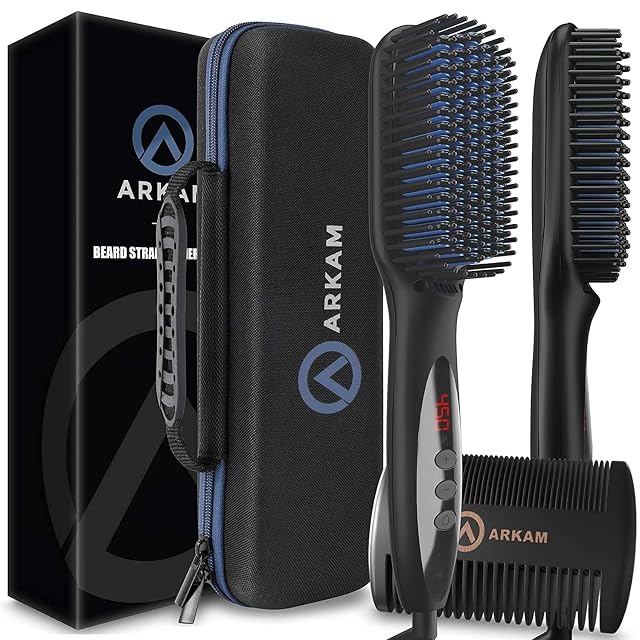
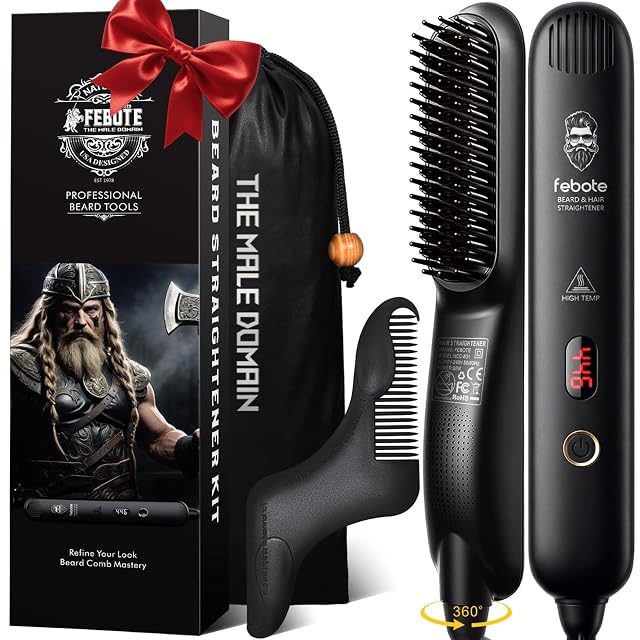
A figure in degrees. Of the twelve straighteners here, eleven publish at least a top temperature, and seven publish both a floor and a ceiling — the Arkam runs 250 to 450 °F across twelve levels, the FEBOTE 338 to 446 °F across five. One publishes nothing at all: the ghd Gold, which is the best-known name on the shelf.
Those numbers can be compared with each other, and with the figure printed on a heat protection product. Almost nothing else in this subject can.
What is not
“Three temperature settings.” Five of the nine air stylers here publish a count of settings and no degrees — including both Dysons and the Shark. A count tells you the tool is adjustable and nothing about what it is adjustable between.
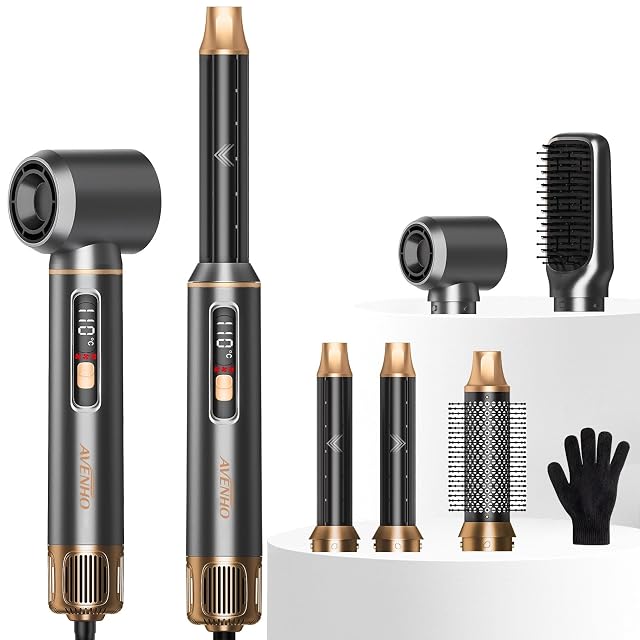
Three do publish figures, and they are worth naming because they are the exception: the AVENHO gives 50, 80 and 110 °C (230 °F) with the Fahrenheit beside each one, the StyleVibe gives 135, 170 and 205 °F, and the 7MAGIC gives 140, 176 and 212 °F.
Read those three together and a fact appears that no single page states: an air styler’s top heat is roughly half a straightener’s. The hottest figure any styler here publishes is 230 °F. The straighteners run to 446, 450 and 455. A tool that wraps hair in moving air is not doing the same thing to it as a tool that presses it between plates, and the dial says so.
Why the bottom of the range matters as much as the top
A tool cannot go below its lowest setting, and the lowest settings here are not close together. The Arkam turns down to 250 °F. The FEBOTE will not go below 338 °F — eighty-eight degrees higher, on the same shelf, at a similar price. If a low setting is what you want available, that is a specification rather than a preference, and it is published.
The one piece of arithmetic worth doing
Match the stated ceiling on your heat protection product to the top setting on your tool. It takes ten seconds and the figures are on both labels.
Eight of the eleven heat protection products here state 450 °F. The Moroccanoil states 450 °F and 230 °C (446 °F) together, which is the only dual-unit figure on the shelf and the easiest one to check a European-market tool against. Two publish no temperature at all: the Redken and the Living Proof.
Now set that against the tools. The BaByliss ST393E states 235 °C (455 °F), which is 455 °F — above every stated ceiling on the shelf. The Arkam and the Remington Shine Therapy both reach 450 °F, exactly on it. The FEBOTE stops at 446.
That is not a safety ruling and this page will not make one. It is the observation that the dial on the tool and the number on the bottle are, on several pairings, the same figure or the wrong way round — and nobody will tell you which pairing you own except the two labels.
Where this site stops
We report what the manufacturer publishes and where it came from. We do not tell you what setting suits your hair, how long to hold a tool against it, or what it will do to it. Those are questions for the manual and for somebody qualified.
What people ask about this
What temperature should I use?
That is not a question this site answers, and no review site should. The manual that came with your tool carries the manufacturer's guidance, and a hairdresser who has seen your hair carries the rest. What we report is the range that exists on each tool.
Why do you keep saying "not published"?
Because on several tools it is the honest state of the merchant page. We do not fill an empty field with a figure from another model in the same range, and we say so on the page rather than leaving a blank nobody notices.
Is my straightener hotter than my heat protectant allows?
It can be. Eight of the eleven [heat protection](/heat-protection/) products here state 450 °F, and the hottest straightener on the site states 235 °C (455 °F) — which is 455 °F. Two more sit exactly on 450. The figures are on both labels, and they are the only two numbers in this whole subject that compare directly.
Last reviewed October 12, 2026