What this site can and cannot read
Every product page here carries a live price from amazon.com. On most of the products reviewed there is one to carry. On the rest there is not — no live offer at the moment of reading, so no figure, indicative or otherwise.
That is not a gap in our research. It is the state of the US store for those references, and it is worth knowing before you plan a comparison around a number you assume will be there.
The split is not random
Shelf by shelf, it falls very unevenly:
Nothing published at all. All four hair dryers. Both charging stands.
Everything published. All nine pairs of cutting scissors. All six shaver heads. All four multigroomers. Eleven of the twelve nose and ear trimmers.
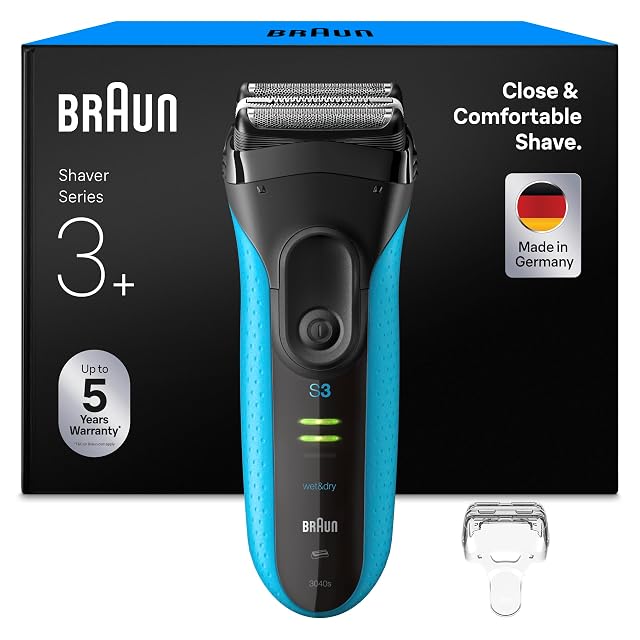
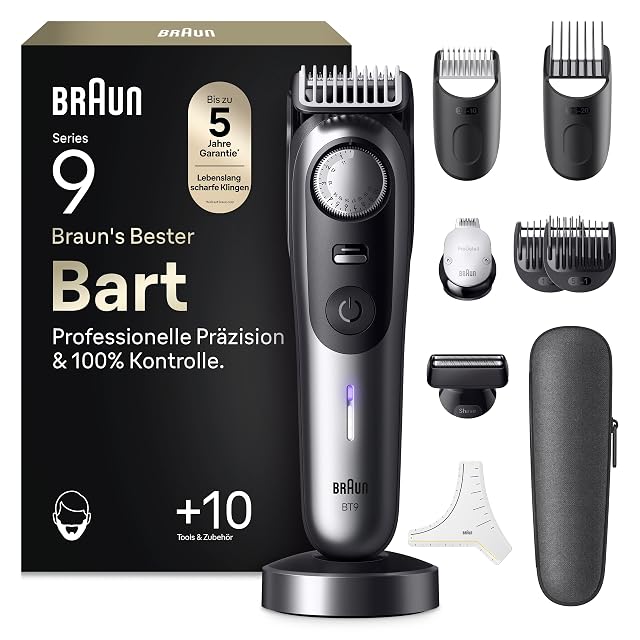
Half and half. Two of four on rotary shavers, foil shavers, hair clippers, beard trimmers and body groomers — and in each case it is the flagship that publishes nothing. The Braun BT9545, with the longest stated runtime of anything here, has no price. The Braun 3040s has none. The ghd Gold, the best-known straightener on the site, has none.
The pattern that emerges is about distribution rather than quality: the accessories and consumables sold into the US directly are priced, and the European-market flagship references frequently are not.
What that does to a comparison
It changes which comparisons are possible. On the hair dryers there is no price axis at all, so the choice has to be made on published specification — which is the better way round, and happens to be where that shelf divides cleanly: two of the four publish an air speed, two publish only wattage.
Where a tool you want publishes nothing, the honest reading is that the figure at the top of its page is the only one, and it appears when an offer does.
Why the cheaper foreign listing is usually not cheaper
The saving is the first number you see and the last one that survives.
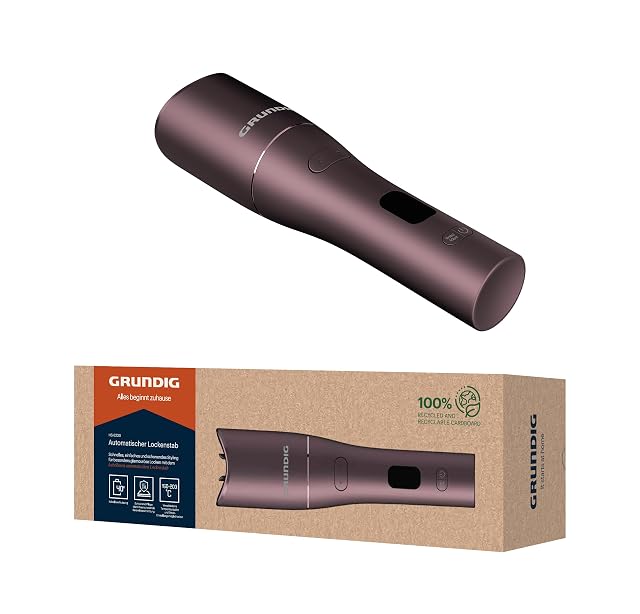
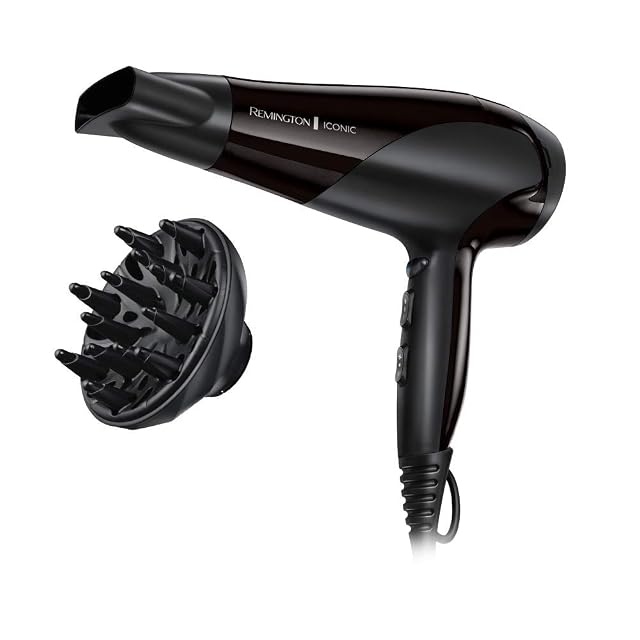
A tool marked 220–240 V does not run on a 120 V outlet. A plug adapter is a passive shell that changes the shape of the pins and nothing else; changing the voltage takes a converter, and a corded dryer with a fixed cable is the tool least likely to be dual voltage. The Remington D3198 and the Grundig EasyCurl are both mains tools of exactly that kind.
Then there is what the seller does and does not offer: shipping, duty, and whether a warranty written for another market is honored here. Those depend on the listing rather than on the product, so this page will not put numbers on them. The voltage, though, is printed on the tool, and it is the one part of the decision you can settle before ordering.
The one rule we apply
An indicative label is a reading from a single moment, and it is written with a ≈ sign so that it cannot be mistaken for a quotation. Where two readings for the same reference are more than a factor of 2.5 apart, we print neither — two figures that far apart do not describe the same purchase, and putting them side by side is misleading rather than informative.
What people ask about this
Can I just order the cheaper one from another country?
Check the voltage first, because that is the part that cannot be fixed afterwards. A tool marked 220–240 V will not run on a US outlet, and a plug adapter changes the shape of the pins rather than the electricity — [the difference between an adapter and a converter](/answers/do-i-need-a-voltage-converter/) is the whole question. Beyond that, shipping, duty and whether the warranty is honored here depend on the seller, and this page will not guess at them.
Why does the live price on your pages differ from the indicative one?
The indicative label is a reading from one moment, which is why it is written with a ≈ sign. The figure at the top of each product page is the live one for amazon.com when the page loads. Where a product publishes no indicative label at all, it is because there was no live offer to read.
Last reviewed October 12, 2026